How to Build an AI Content Workflow That Actually Ranks
Building a reliable AI content workflow is the cornerstone of scaling your organic traffic with SEOSpace. Simply generating text with a chatbot and hitting publish is a guaranteed recipe for poor rankings and zero engagement. Modern search engines demand high quality, factual, and deeply engaging information.
To succeed, you need a structured system that combines artificial intelligence with expert human oversight. This guide will show you exactly how to build a repeatable publishing engine that satisfies search algorithms, delights your readers, and dramatically increases your website conversions.
Key Takeaways
Relying purely on automated text generation without a strategy will harm your search rankings.
Human editing and fact checking are non negotiable steps for establishing domain authority.
Prompt engineering dictates the quality of your initial draft and saves hours of revision time.
Structuring your articles with clear headings makes them easier for search bots to understand.
Regularly updating your generation templates ensures you stay ahead of algorithm shifts.
Tracking user engagement metrics reveals exactly where your drafting process needs improvement.
Table of Contents
Why You Need a Dedicated AI Content Workflow
The digital publishing landscape is completely saturated. For business owners trying to stand out, producing helpful articles at scale is incredibly difficult. This is exactly where a structured AI content workflow becomes your biggest competitive advantage. It bridges the gap between slow manual writing and reckless automated spam.
When you have a documented process, you maintain a consistent brand voice across hundreds of pages. Furthermore, staying updated with the latest algorithm shifts reported by Search Engine Land is much easier when your production system is highly organized. A proper system ensures you are not just publishing words, but actually building your brand's overall AI visibility by providing well structured data that large language models love to cite.
Step 1: Research and Ideation Strategies
Before you generate a single word, you must know exactly what your audience is searching for. Skipping this foundational step leads to beautifully written articles that nobody ever reads.
Building a Topical Map
Instead of targeting random keywords, group your ideas into topical clusters. Search engines reward websites that cover a specific subject from every possible angle. Utilize comprehensive Ahrefs keyword research techniques to find long tail questions your competitors have completely ignored. Once you have a list of topics, you can systematically feed these into your generation tools.

If you are unsure how to structure these keyword clusters, reading a detailed SEO blog regularly will give you brilliant insights into structuring your website architecture for maximum topical authority.
Step 2: Optimizing Your AI Content Workflow
The quality of your output depends entirely on the quality of your input. If your AI content workflow lacks proper prompting, you will receive generic, robotic text that requires massive rewrites.

Mastering Prompt Engineering
You must give your generation tools strict parameters. Tell the tool exactly who the target audience is, what tone of voice to use, and what specific format to follow. Reviewing the official OpenAI prompt engineering guide will teach you how to set constraints that prevent the tool from hallucinating fake facts or using overly complex vocabulary.
To truly refine your prompting skills and see how experts manage their daily operations, attending live SEO webinars is a fantastic way to learn cutting edge generation tactics before your competitors do.
Step 3: Human Editing and Adding Unique Value
A successful AI content workflow requires strict human oversight. Search algorithms can easily detect generic text that offers zero new perspectives.
The E-E-A-T Principle
Google specifically looks for Experience, Expertise, Authoritativeness, and Trustworthiness. You must inject your personal industry experience into the generated draft. Review the official Google helpful content guidelines to understand exactly why personal anecdotes and expert opinions are rewarded so heavily.
Here is a mandatory checklist for the human editing phase:
Fact check every statistic: Never trust a generated number without a verifiable source.
Remove repetitive transitions: Delete words like "furthermore", "moreover", and "in conclusion" to make the text sound human.
Add internal links: Connect the new article to your existing foundational pages.
Run grammar checks: Use premium tools like Grammarly editing software to polish the final draft.
If you want to train your internal team on these exact editorial standards, enrolling them in a dedicated Squarespace SEO course will ensure everyone is following the same high quality guidelines.
Scaling Your Output Without Losing Quality
As you scale your AI content workflow, maintaining consistency across dozens of articles becomes vital. This is where many businesses fail. They increase their publishing velocity but let their editorial standards slip.
To manage high volume publishing, you need a centralized content calendar. Excellent Semrush content marketing strategies highly recommend using project management boards to track every article from the initial keyword research phase all the way to final publication.
Proper Production Structure
If managing this process internally becomes too overwhelming, you can easily secure a reliable SEO retainer to handle the heavy lifting. Partnering with a specialized Squarespace SEO agency allows you to focus strictly on running your business while experts manage your daily publishing schedules.
Below is a simple table outlining a healthy production structure:
| Production Phase | Human Role | Technology Role |
|---|---|---|
| Keyword Research | Selecting target intent | Generating search volume data |
| Initial Drafting | Creating the detailed prompt | Writing the raw base text |
| Editing & Formatting | Injecting expert opinions | Basic grammar checking |
| Final Publishing | Strategic internal linking | Indexing via search consoles |
Measuring Performance and Adjusting Strategy
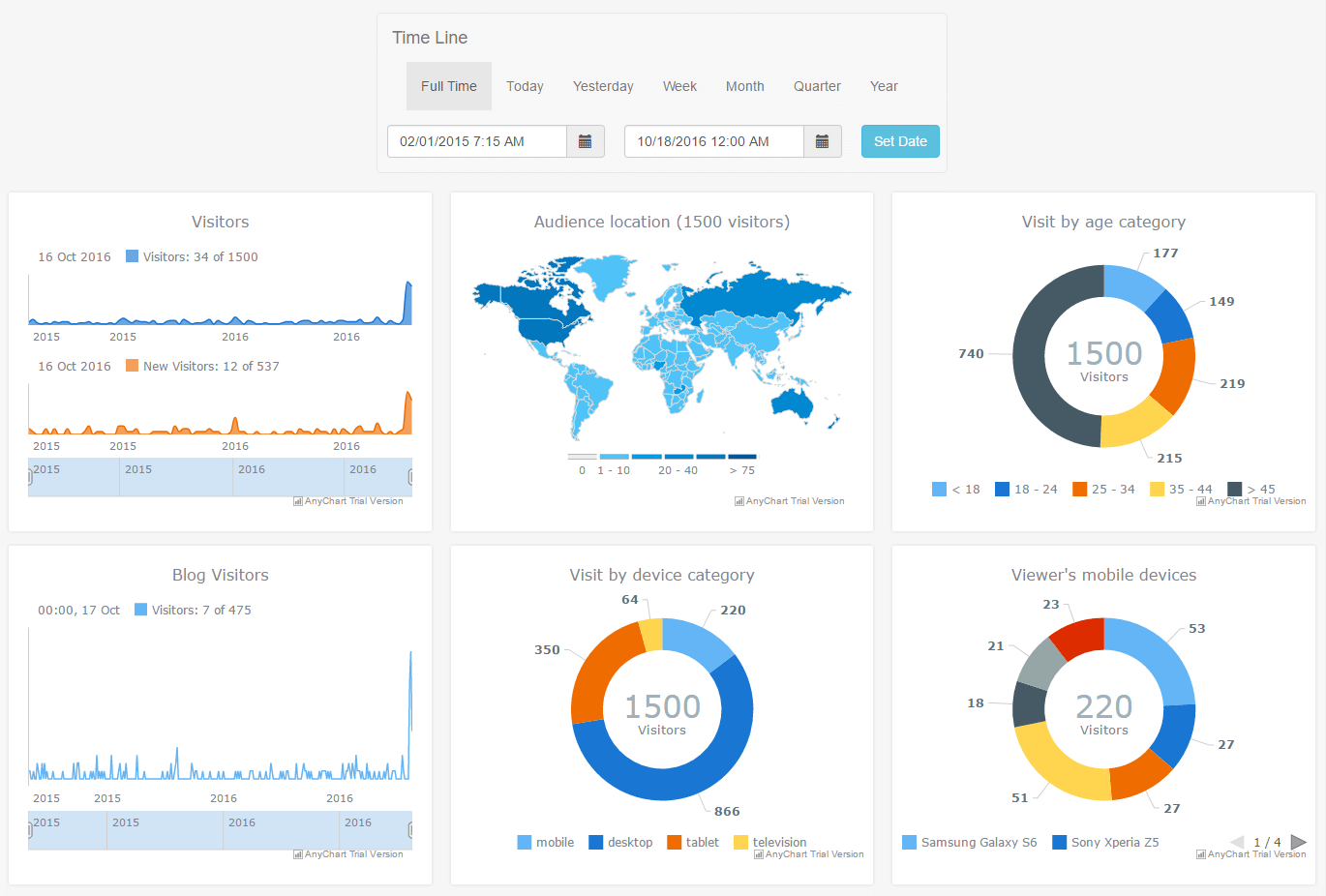
Evaluating your AI content workflow means looking at real data to see what is actually moving the needle. You cannot improve what you do not measure.
Tracking the Right Metrics
Look beyond just organic traffic. Monitor your bounce rates, average time on page, and overall conversion rates. According to insightful HubSpot marketing statistics, users will spend significantly more time on a page that is formatted with clear headings and bullet points. If your generated articles have a high bounce rate, your text is likely too dense or failing to answer the user's core intent. Make mandatory adjustments to your AI content workflow every quarter to ensure your formatting matches current user preferences.
Conclusion
Stop wasting time writing every single word from scratch, and stop damaging your brand with unedited, robotic text. Refining your AI content workflow takes time, patience, and a willingness to adapt to new technologies. If you need professional guidance putting these systems in place, exploring a dedicated Squarespace SEO service is the smartest investment you can make this year.
Are you ready to see exactly how your current site structure is holding up? Do not wait for your competitors to pass you by. Get your customized Squarespace SEO audit score today and start building a website that ranks effortlessly!
Frequently Asked Questions
-
An AI content workflow is a structured process that combines artificial intelligence tools for drafting and outlining with mandatory human editing, fact checking, and strategic optimization to produce high quality website articles.
-
No, Google does not penalize text simply because it was generated by a machine. However, they aggressively penalize low quality, spammy text that offers no value to the reader, regardless of how it was written.
-
While you still must dedicate time to research and human editing, using algorithmic generation for the initial rough draft can easily cut your overall writing time in half, allowing you to publish twice as much.
-
It is highly discouraged. Fully automating the process without human oversight inevitably leads to factual errors, robotic tones, and formatting mistakes that will ultimately destroy user trust and harm your organic rankings.
-
By accurately matching the user's specific journey stage, you provide the right information at the exact right time. Proper search intent optimization ensures you are not aggressively pushing a hard sale on someone who just wants basic, introductory information.