Tracking Your Brand Reputation on AI: A Guide for Business Owners
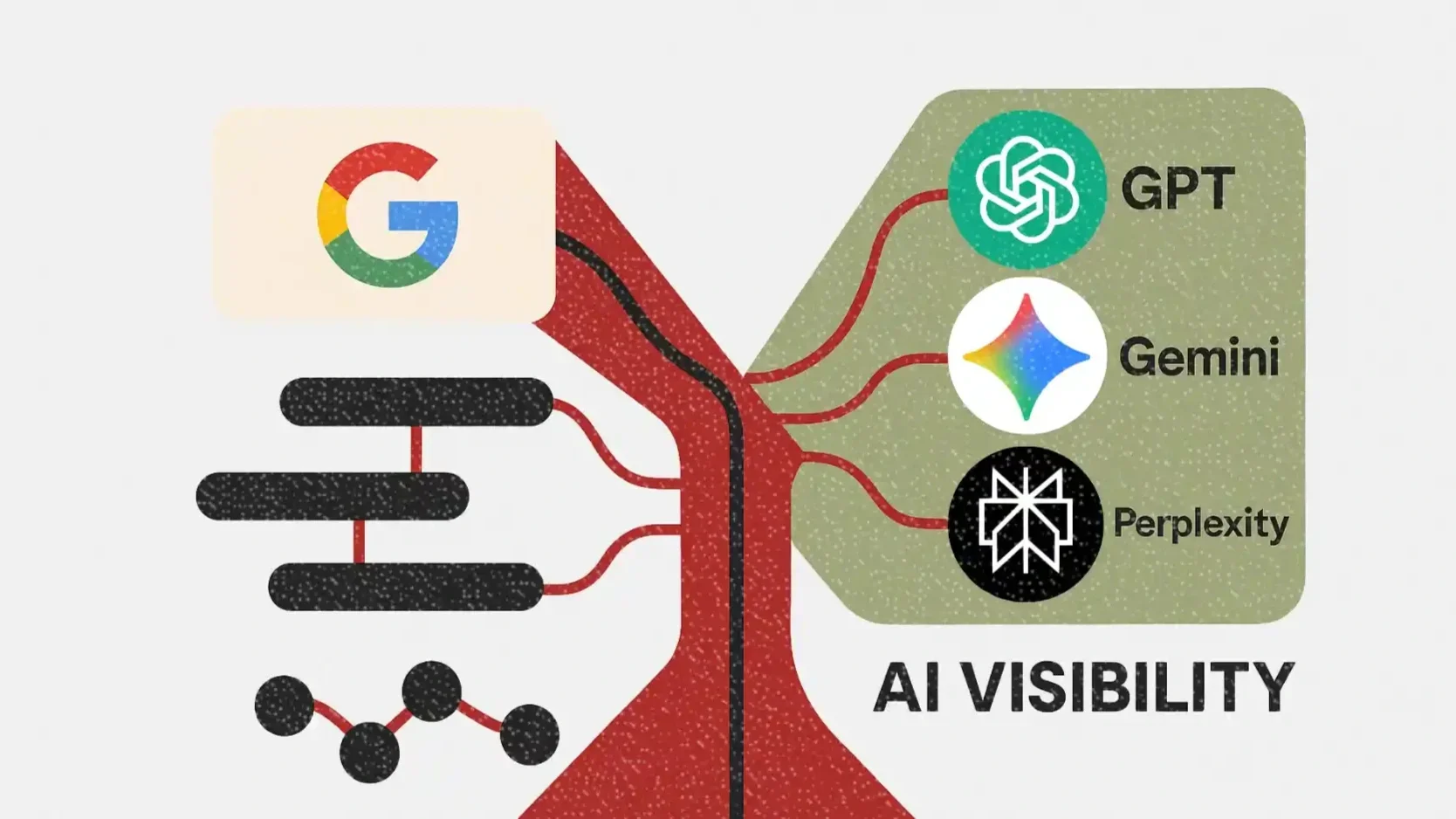
Googling your brand is no longer enough. Today, potential customers are asking ChatGPT, Perplexity, and Gemini about your business. If these AI models don't know you, or worse, share inaccurate information, you are losing revenue.
The new frontier of digital marketing isn't just about ranking links; it's about influencing the answers generated by AI.
This guide will show you exactly how to monitor and improve your AI search visibility.
Key Takeaways
AI is the New Search: Consumers are shifting from traditional search engines to AI-powered answer engines like ChatGPT and Google AI Overviews.
Reputation Management: AI models generate summaries of your brand based on training data and live web access, making active monitoring crucial.
Manual vs. Automated: While you can manually prompt AIs to check your reputation, dedicated tools offer scalable, real-time insights.
Actionable Strategy: Improving your AI search visibility requires a mix of technical SEO, digital PR, and citation management.
Table of Contents
The Shift from SEO to GEO
For the last two decades, business owners have obsessed over Search Engine Optimization (SEO). The goal was simple: get to the top of Google's first page. However, the digital landscape is undergoing a seismic shift.
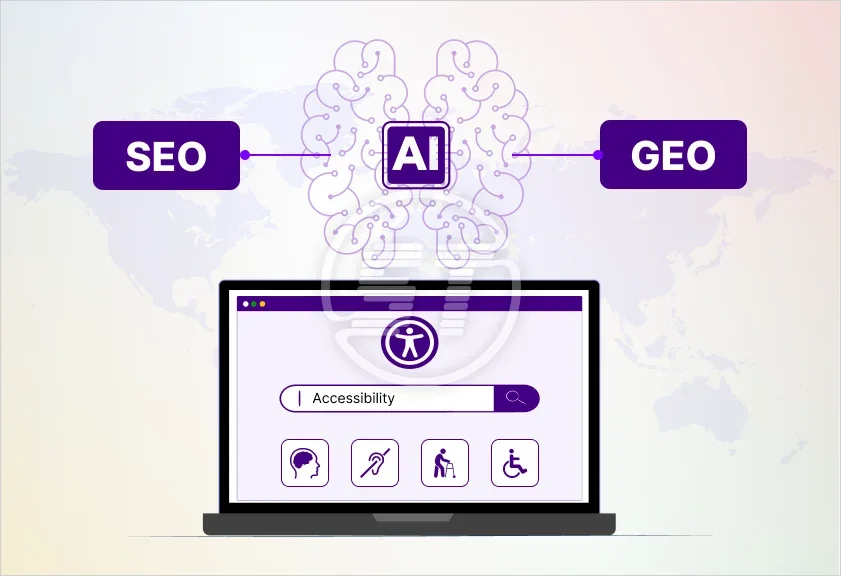
We are entering the era of Generative Engine Optimization (GEO). Unlike traditional search, where users browse a list of links, generative AI provides a single, synthesized answer.
If a user asks, "What is the best project management software for small creative agencies?", the AI curates a response. If your brand isn't mentioned there, you are effectively invisible. This is why tracking your AI search visibility is no longer optional, it is a survival mechanism for modern businesses.
According to recent data from OpenAI, millions of users now rely on ChatGPT for daily information retrieval, bypassing traditional search engines entirely for complex queries.
This behavioral change means your brand's reputation is now in the hands of Large Language Models (LLMs).
How AI Models Perceive Your Brand
To track your reputation, you first need to understand how these models "think." AI models like Google Gemini and Perplexity AI function differently than keyword crawlers. They look for entities, context, and sentiment.
When an AI assesses your brand, it looks at:
Sentiment: Is the online chatter positive, negative, or neutral?
Authority: Is your brand cited by reputable sources like Forbes or industry-specific journals?
Consistency: Is your business information (Name, Address, Phone, Offerings) consistent across the web?
If your AI search visibility is low, the model might hallucinate incorrect pricing, outdated services, or simply say, "I don't have enough information about this brand." Get your FREE SEO Audit to get started.
Manual Methods for Tracking Reputation
For smaller businesses, you can start by manually auditing your brand. This involves treating AI models like focus groups. You can open Microsoft Copilot or ChatGPT and run prompts such as:
"What do you know about [Your Brand Name]?"
"What are the pros and cons of [Your Brand Name]?"
"Compare [Your Brand Name] vs. [Competitor Name]."
While this provides a snapshot, it is incredibly time-consuming. AI results are personalized and change frequently based on the model's updates. Relying solely on manual checks leaves you with blind spots in your AI search visibility strategy.
The Automated Solution: SEOSpace AI Visibility
To truly stay ahead, you need data, not just anecdotes. This is where the SEOSpace AI Visibility Tool becomes an essential asset for business owners.
This tool automates the process of monitoring how your brand appears across major AI platforms. Instead of manually prompting different models, SEOSpace aggregates this data, showing you exactly where you stand.
It helps you understand if you are being recommended as a top solution or if you are missing from the conversation entirely.
For those managing multiple clients, such as digital marketing firms, our solutions for agencies allow you to track AI search visibility for all your clients in one dashboard, proving the value of your work in this new era of search.
Strategies to Improve Your AI Reputation
Once you have established a baseline using the SEOSpace AI Visibility Tool, it is time to improve your standing. Here are three core strategies:
1. Digital PR and Citations
AI models trust what high-authority websites say about you. Getting featured in "Best of" lists, news articles, and reputable blogs feeds positive data into the models. A report by Search Engine Land highlights that mentions on authoritative sites are a key ranking factor for AI summaries.
2. Optimize for "Answer Engine" Formats
Structure your website content so it is easy for AI to digest. Use clear headings, bullet points, and direct answers to common questions.
If you are unsure how to structure your content for technical SEO, a solid foundation is key. You can learn the basics of site optimization in this Squarespace SEO Tutorial, which covers the essentials of getting your site understood by crawlers, a prerequisite for AI visibility.
3. Monitor and Respond to Reviews
AI models often pull sentiment from review aggregators like Trustpilot and Google Maps. actively managing these reviews ensures that the "sentiment" data point in the AI's algorithm remains positive.
Leveraging Video Content for Authority
Video content is increasingly being indexed and cited by AI models, especially Google's Gemini which can "watch" and understand YouTube videos. Creating authoritative video content answers user queries and establishes your brand as a voice of authority.
For example, if you offer software solutions, creating detailed feature tutorials can help AI understand exactly what your product does. You can see examples of how to present technical features clearly on the SEOSpace YouTube channel.
Even if you aren't a video pro, understanding how to track the performance of your keywords as shown in this Keyword Rank Tracking guide can give you insights into what topics you should be creating content around.

Why AI Search Visibility is a Metric You Can't Ignore
Harvard Business Review has discussed the "reputation economy" for years, but AI accelerates it. If a potential customer asks an AI for a recommendation and your competitor is the only one mentioned, you have lost that sale before you even knew it existed.
We help business owners navigate this complex landscape. By focusing on AI search visibility, you are future-proofing your brand. It is not just about traffic anymore; it is about "share of model" how much real estate your brand occupies in the neural networks of the world's most powerful AIs.
Implementing a Tracking Routine
Consistency is key. You should be checking your AI search visibility at least monthly.
Week 1: Use the SEOSpace AI Visibility Tool to run a baseline scan.
Week 2: Identify gaps. Are you missing from "best" lists? Is your pricing outdated?
Week 3: Execute content updates and outreach to fix these gaps.
Week 4: Re-scan to measure impact.
This cycle ensures that as AI models update their training data (which happens with increasing frequency), your brand remains a recommended entity.
The Future of Brand Monitoring
As we move forward, the line between search and chat will blur completely. HubSpot reports indicate that marketers are increasingly prioritizing AI optimization over traditional keyword stuffing.
Your AI search visibility will likely become a more important KPI than your organic click-through rate.
By using tools like SEOSpace, you are not just observing the change; you are actively participating in it. Don't let an algorithm decide your brand's narrative.
Take control, track your reputation, and ensure that when the world asks AI about your industry, the answer is you.
Conclusion
The era of passive reputation management is over. Your customers are using AI to find products and services, and if you aren't tracking your AI search visibility, you are flying blind.
By leveraging the SEOSpace AI Visibility Tool, you can uncover exactly how AI models perceive your brand and take actionable steps to correct the narrative.
Don't leave your reputation to chance. Start monitoring your presence on ChatGPT, Gemini, and more today.
Get your SEOSpace plugin here and take control of your brand's future in the age of AI.
Frequently Asked Questions
-
AI search visibility refers to how often and how positively your brand appears in answers generated by AI models like ChatGPT, Gemini, and Perplexity when users ask relevant queries.
-
Social listening tracks human conversations on social media. AI reputation tracking monitors what Large Language Models (LLMs) "know" and "say" about your brand based on their training data and live web access.
-
Yes. Much of improving your AI search visibility involves creating high-quality content, getting cited by reputable sources, and ensuring your business details are accurate online.
-
You should focus on the major players: OpenAI's ChatGPT, Google's Gemini, and Perplexity AI, as these currently command the largest share of the user base.
-
It depends on the model. Some, like Perplexity and Gemini, have live internet access and can update almost instantly. Others may rely on training data that is updated periodically. Regular monitoring is essential to stay current.