Search Intent Optimization: The Most Underrated SEO Skill
Mastering search intent optimization is the secret weapon you need to succeed with SEOSpace, the ultimate platform for improving your website. Many marketers focus solely on backlinks and keyword volume, completely ignoring what the user actually wants to find.
If your content does not answer the user's specific problem, search engines will simply rank your competitors instead. This guide will break down how to align your content strategy with user expectations and dominate the search engine results pages this year.
Key Takeaways
Matching user needs is far more important than raw keyword density.
Search algorithms reward pages that solve user problems quickly and thoroughly.
Your content format must directly match what the searcher expects to see.
Ignoring intent leads to high bounce rates and massive drops in organic rankings.
Mapping your keywords to specific stages of the buyer journey directly increases your conversion rates.
Regularly auditing your published content ensures it stays aligned with shifting search behaviors over time.
Table of Contents
What Is Search Intent Optimization?
Understanding exactly how people search is the very foundation of modern digital marketing. By definition, search intent optimization involves tailoring your web pages to perfectly match the primary goal a user has when typing a query into Google.
Are they looking to buy a new product, learn a complex new skill, or navigate to a specific website login page? Answering this question dictates how you should structure your entire page.
Moving From Guesswork to Semantic Search
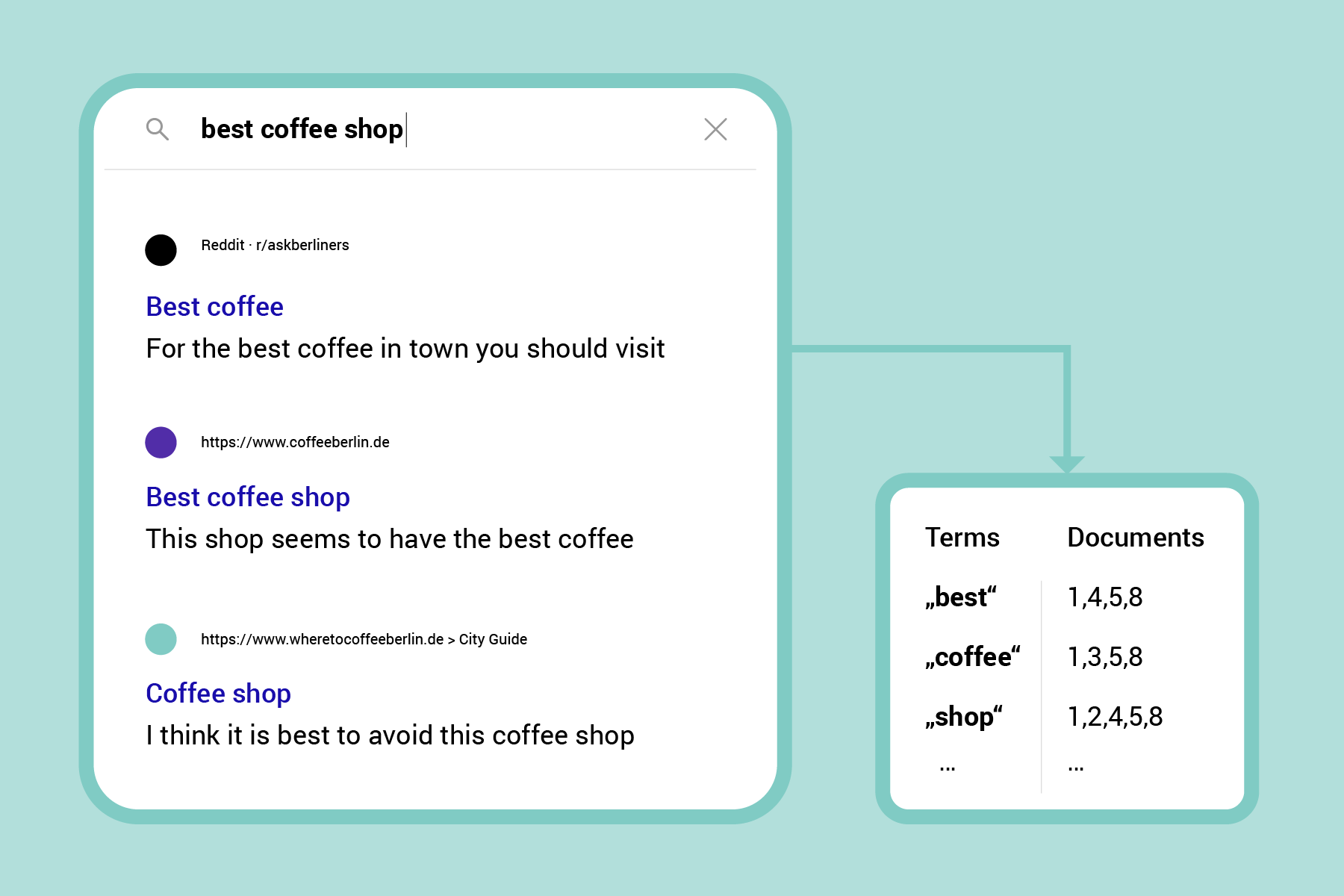
When you implement this methodology, you stop guessing what type of content works. Instead, you analyze the current top ranking results to see what Google has already determined is the most helpful format.
Over the years, Google has shifted from simple lexical search (matching exact words) to semantic search (understanding the meaning behind the words). According to the official Google Search Quality Evaluator Guidelines, satisfying the user's true goal is the primary metric for defining a high quality page.
Tailoring Content to Your Specific Audience
Whether you run a localized service business or manage digital marketing for multiple corporate clients, applying these core principles is completely non negotiable. For example, creating custom solutions for agencies requires a vastly different approach to content creation than building a website for a local neighborhood bakery. You must cater to the specific needs of the audience searching for your services.
Why Is Search Intent Optimization Critical for Ranking?
Search engines have evolved significantly over the last decade. They no longer rely on counting how many times a target word appears on a web page. Today, advanced machine learning algorithms prioritize deep user satisfaction above all else.
Search intent optimization is critical because if your page does not satisfy the searcher, they will immediately click the back button and choose another result from the list. This rapid bouncing behavior is known as "pogo sticking", and it sends a massive negative signal to Google indicating your page is not relevant to the query.
The Impact of User Engagement Metrics
A persistently high bounce rate coupled with a low dwell time will tank your hard earned rankings. As extensively noted by industry leaders at Search Engine Journal, topical relevance and user satisfaction are the new absolute standards for ranking success. When your content perfectly aligns with the user's initial goal, you keep them engaged on your site for much longer periods. This metric is especially vital when you are utilizing local SEO tools to capture foot traffic and phone calls in your specific geographic area.
The Four Primary Types of User Intent
Every keyword a user types into a search bar falls into one of four distinct categories. Knowing these categories intimately will help you format your blog articles, landing pages, and product listings correctly.
Informational Intent
The searcher simply wants to learn something new. These queries very often start with modifiers like "how to", "what is", or "why does". Users are looking for comprehensive guides, step by step tutorials, and deep informational dives. Informational intent is the exact stage where your brand can establish massive industry authority and drastically improve your overall AI visibility by providing thorough, well researched answers that large language models love to reference and cite.
Navigational Intent
In this scenario, the searcher wants to find a specific website or a very specific web page. They might type phrases like "Facebook login page" or "SEOSpace pricing structure". They already know exactly where they want to go, and it is your job to ensure your branded pages rank number one for these exact terms.
Commercial Investigation Intent
The searcher is actively in the market for a new product or service but has not yet made a final purchasing decision. They frequently use modifiers like "best", "top rated", or "review". They want detailed comparisons to weigh their options. According to comprehensive Semrush data analysis, commercial queries are highly lucrative because they catch prospective users right before they are ready to buy. This is the perfect stage to highlight the incredible expertise of Squarespace website designers who can build a custom, high converting solution.
Transactional Intent
The searcher has completed their research and is finally ready to pull the trigger. They use strong action words like "buy now", "hire near me", or "discount code". Your page must have a crystal clear path to purchase or an easily accessible contact form to capture this hot lead.
Below is a quick reference table summarizing these crucial categories:
| Intent Type | User Goal | Ideal Content Format |
|---|---|---|
| Informational | To learn or understand a complex topic | Detailed blog posts, guides, FAQs |
| Navigational | To reach a specific digital destination | Homepage, login pages, contact pages |
| Commercial | To compare options before spending money | Reviews, detailed comparison tables |
| Transactional | To complete a final purchase or action | Product pages, streamlined checkout |
How to Align Your Content With Searcher Needs
Now that you understand the underlying theory, it is time to put it into actionable practice. You must actively analyze the search engine results pages before you sit down to write a single word of copy. This deliberate process of search intent optimization ensures you are never wasting valuable time creating the wrong type of content for your target audience.
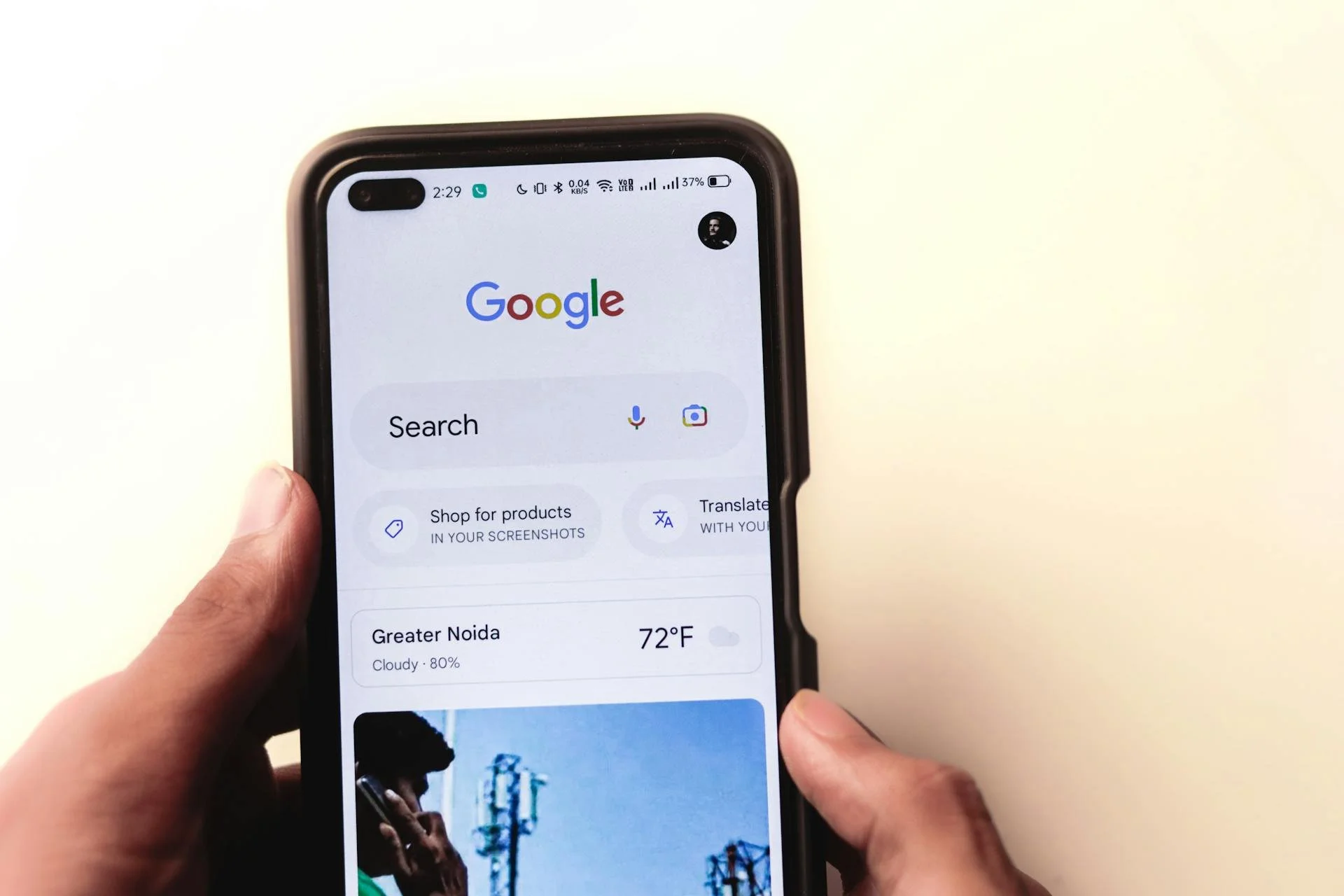
Analyze the Top Results: Type your target keyword into an incognito Google window. Carefully look at the top five ranking pages. Are they lengthy blog posts, short product pages, or visual listicles? If all five top spots are listicles, you must write a superior listicle to compete. As detailed by Ahrefs keyword research guides, you simply cannot fight the established algorithmic intent.
Review the Formats: Check if the top ranking pages use embedded videos, custom infographics, or heavy text blocks. Match this formatting to meet user expectations.
Find the Content Gap: Read the top competing articles closely and identify exactly what information they missed. Can you provide better real world examples or more up to date statistics?
Optimize Your Headings: Ensure your H2 and H3 tags directly answer the secondary subtopics related to the main query. Experts at Backlinko highly recommend logical, hierarchical header structures for much better readability and indexing.
Analyze SERP Features: Look to see if a Featured Snippet or "People Also Ask" box appears. If it does, format your content with clear, concise bullet points to try and win that coveted zero click position.
Common Content Strategy Mistakes to Avoid
Even highly experienced digital marketers stumble when they completely ignore the obvious signs. The absolute biggest mistake is trying to force a purely transactional landing page to rank for a strictly informational query. If someone searches for "how to fix a leaky pipe", they want a DIY tutorial, not a hard sales pitch for a local plumber. Pushing sales too early frustrates the user and destroys trust.
The Danger of Thin Content
Another frequent error is writing very thin content that fails to fully cover the breadth of the topic. Google wants to send users to the most comprehensive resource available. To see brilliant real world examples of how deep keyword analysis turns failing campaigns around, check out this comprehensive Squarespace SEO case study right now.
Furthermore, it is highly beneficial to regularly read an authoritative SEO blog to stay completely updated on shifting algorithm preferences. For further required reading on achieving content depth, the Moz beginner guide provides excellent, timeless insights into building topical authority.
Taking Your Website to the Next Level
Mastering these technical skills takes dedicated practice and continuous daily education. The digital search landscape moves incredibly fast. You must stay highly proactive to maintain your organic rankings and continually outpace your industry competitors.
Involving Industry Experts
Engaging with true industry experts in real time can dramatically shorten your learning curve and boost your ROI. We strongly suggest attending live SEO webinars to ask specific, nuanced questions about your current marketing campaigns. If you are totally serious about refining your optimization skills, following a structured learning path is genuinely invaluable.
Enrolling in a dedicated Squarespace SEO course will confidently walk you through the complex technical aspects of website structure, ensuring your digital foundation is perfectly built to support your new, intent driven content strategy. Remember that well structured, deeply researched data is heavily favored by HubSpot's marketing insights regarding long term organic growth.
Conclusion
When you consistently prioritize the end user experience above everything else, the search engines will naturally reward you with consistently higher rankings, better quality traffic, and dramatically increased sales conversions. True search intent optimization seamlessly bridges the vast gap between what you want to sell and what the customer actually wants to read.
Are you fully ready to see exactly how well your website is currently performing in the search results? Get a clear, actionable picture of your site health and discover massive immediate areas for improvement. Click here to check your Squarespace SEO audit score right now and start dominating your specific niche today!
Frequently Asked Questions
-
The main goal of search intent optimization is to perfectly align the written content, visual format, and user experience of your web pages with the specific reasons a user is searching for a particular keyword phrase.
-
You can easily determine it by simply searching the target keyword on Google yourself. The top ranking organic results will clearly show you what the algorithm currently considers the most relevant format and topic structure.
-
Yes, it absolutely can and often does change. For example, a search query for specific tax forms will drastically change from informational to navigational as the tax deadline approaches. Regular search intent optimization audits are entirely necessary to maintain your rankings.
-
Yes, visual formatting is critically crucial. If users want a quick product comparison, providing a massive, unbroken wall of text will cause them to leave immediately. Using clean tables and concise bullet points keeps them highly engaged.
-
By accurately matching the user's specific journey stage, you provide the right information at the exact right time. Proper search intent optimization ensures you are not aggressively pushing a hard sale on someone who just wants basic, introductory information.