AI Citations: How to Make Your Website a Trusted Source
Earning AI citations is the new frontier for digital marketing and search engine visibility. As generative engines take center stage in the modern online experience, traditional ranking factors are evolving rapidly. Users now expect quick, synthesized answers directly in their chat windows rather than scrolling through pages of blue links.
To stay relevant in this shifting landscape, your content needs to be recognized as an authoritative source by these algorithms. Discover how to adapt your content today and secure your position in the future of search.
Key Takeaways
Trust and authority dictate whether large language models will reference your published content.
Structured data and clear formatting make it significantly easier for algorithmic crawlers to parse your site.
Original research, data-driven studies, and expert insights are the fastest ways to gain algorithmic trust.
Tracking your brand mentions and referral traffic helps you understand your overall search visibility.
Table of Contents
Understanding AI Citations and Their Importance
The way people search for information is fundamentally changing. Instead of navigating away to multiple websites, users often receive comprehensive answers from intelligent chatbots. When you secure AI citations, you validate your expertise and ensure your brand remains highly visible in this new digital ecosystem.
These generative models compile massive amounts of data from across the web. If your website is deemed a trustworthy and authoritative entity, the model will link back to your specific page as the origin of the provided information.
For business owners navigating a crowded marketplace, establishing this level of credibility is a powerful way to outpace competitors. Whether you run a specialized local service or a massive global ecommerce platform, being referenced by artificial intelligence drives high-quality referral traffic straight to your domain.
How Generative Engines Select Sources
To understand how to get featured by language models, you must first understand what search algorithms value most. The underlying technology behind these tools relies heavily on consensus, factual accuracy, and historical authority.
E-E-A-T Principles Apply
Experience, Expertise, Authoritativeness, and Trustworthiness (E-E-A-T) remain the bedrock of excellent content marketing. Algorithms prefer content created by recognized experts who have demonstrable real-world experience. Familiarize yourself with Google's E-E-A-T guidelines to ensure your author bios, about pages, and overall content strategies reflect deep, verifiable knowledge.
Brand Authority and Backlinks
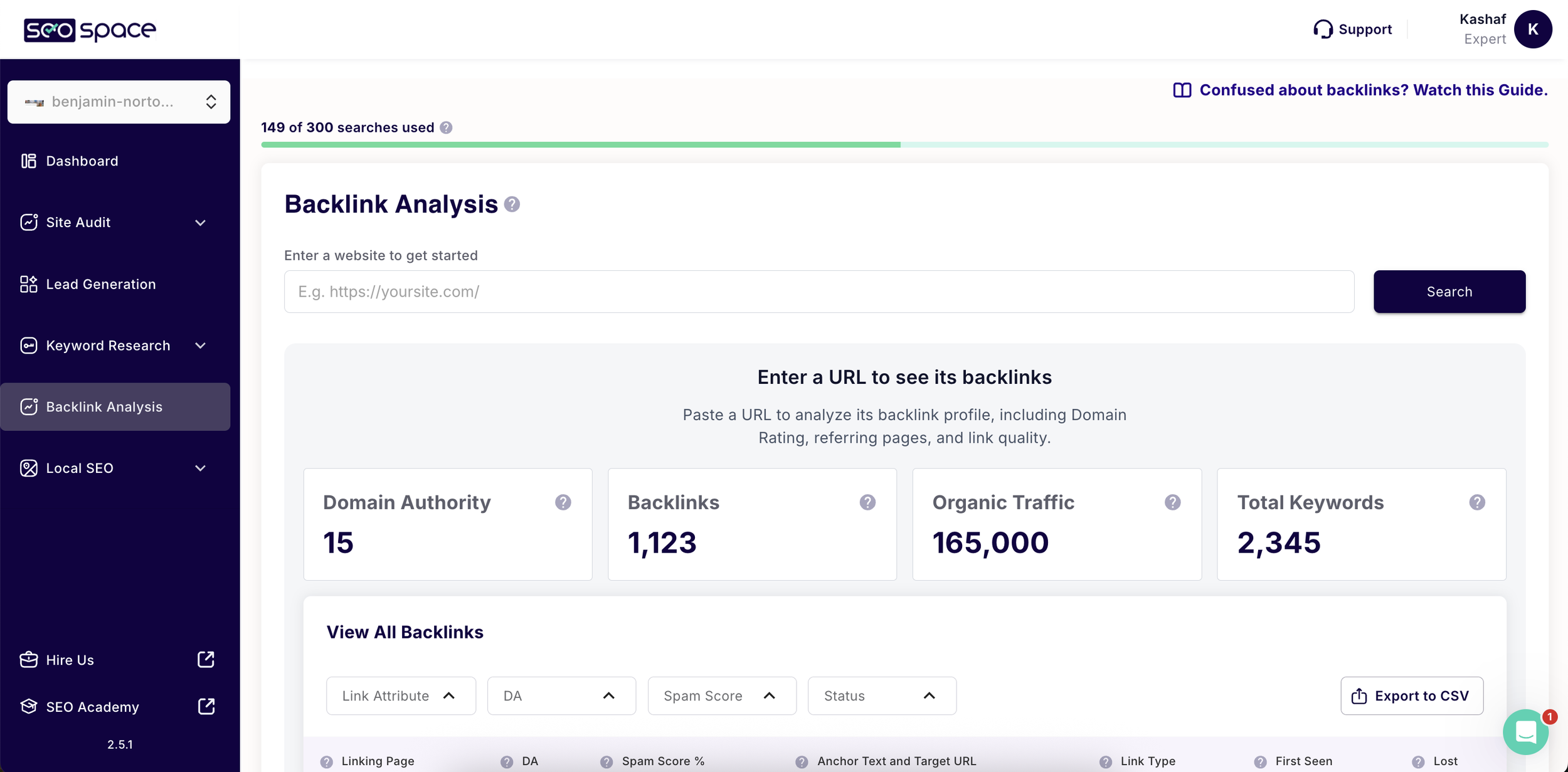
Large language models look at the broader web to gauge your brand's reputation. According to leading Moz trust metrics, a robust and natural backlink profile signals that other reputable sites vouch for your information. High domain rating metrics almost always correlate with increased algorithmic trust and frequent chatbot references.
The Role of Knowledge Graphs
Search algorithms do not just read flat text; they build vast knowledge graphs to understand complex relationships between different entities. When your website consistently produces accurate information regarding specific niche topics, you become a recognized entity within that graph. This means that when a user asks a nuanced question, the language model can confidently pull your statistics or definitions.
To optimize for entity recognition, you must maintain consistent branding across all your digital footprints.
Actionable Steps to Earn AI Citations
Many marketers wonder how to get more AI citations without completely rewriting their existing content libraries. Fortunately, a few targeted, intelligent adjustments can yield massive results for your organic visibility.
Publish Original Research
Generative engines constantly crave new, verifiable data. If you publish annual surveys, detailed case studies, or unique industry statistics, you force the algorithm to cite you as the primary source.
Analytical data from HubSpot marketing statistics consistently show that original research generates the highest number of organic backlinks compared to other content types. If you currently run a Squarespace SEO agency, publishing your own client success metrics is a fantastic, foolproof way to establish this desired authority.
Optimize Content Structure
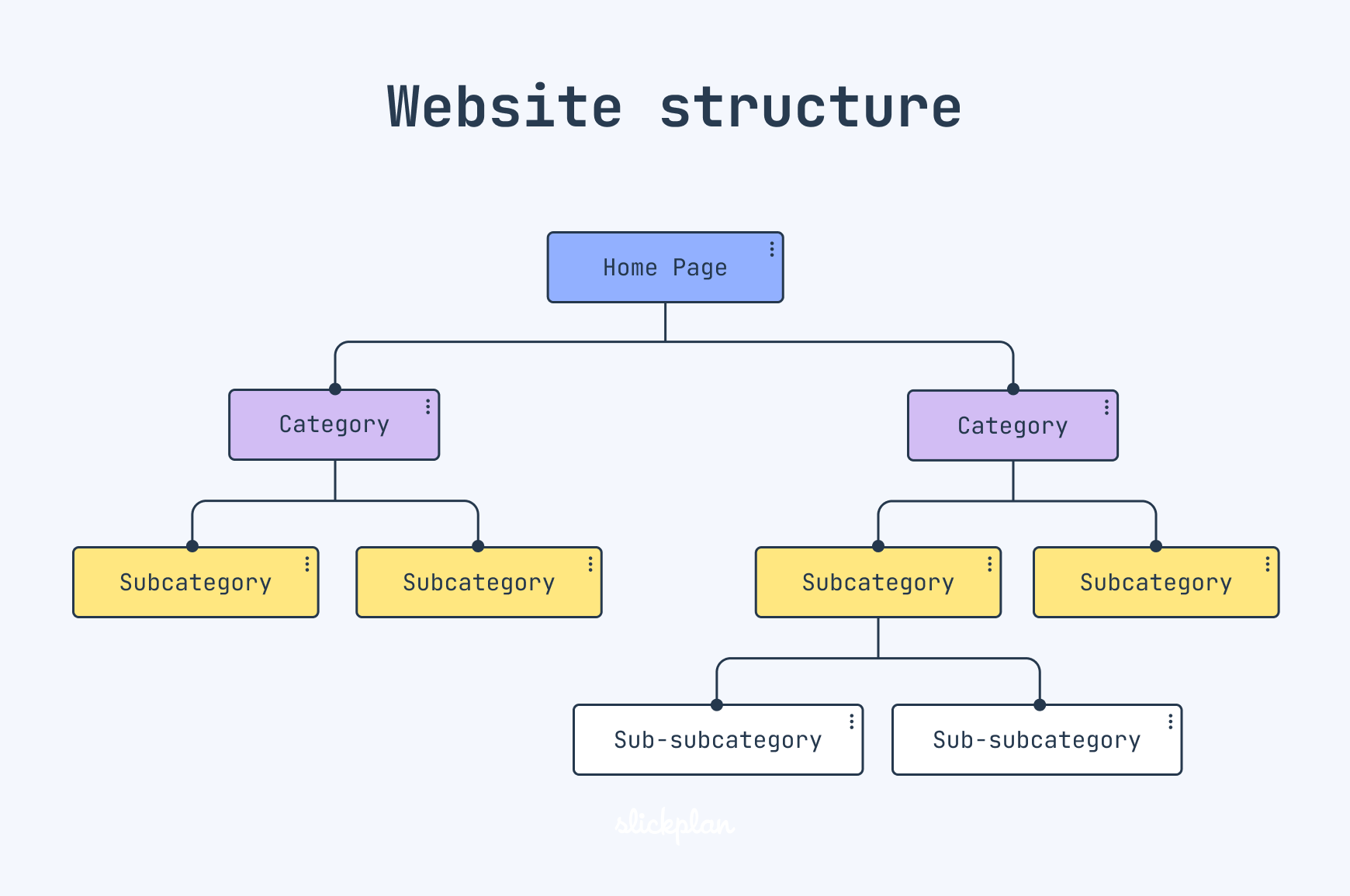
The key to unlocking AI citations lies in structured data and crystal-clear formatting. Language models prefer pages that are logically organized. Use descriptive headers, keep paragraphs concise, and utilize bullet points whenever possible. When algorithms can easily crawl and understand your page hierarchy, they are substantially more likely to pull your content into their generated summaries.
Here is a simple table outlining how to structure your web pages for maximum algorithmic clarity:
| Content Element | Best Practice | Benefit for Search Bots |
|---|---|---|
| Headings | Use clear, descriptive H2 and H3 tags | Helps algorithms instantly parse page hierarchy |
| Bullet Points | Summarize key steps or lists | Easily digestible for direct featured snippets |
| Schema Markup | Implement FAQ, Article, or How-To schema | Provides immediate context to crawling bots |
Answer Specific Questions Directly
To maximize your AI visibility, you must anticipate the exact questions your target audience is typing into chat interfaces. Create dedicated, robust FAQ sections on your primary service pages. Cutting-edge tools like Perplexity AI source tracking often prioritize websites that provide direct, concise, and highly accurate answers to specific user queries without unnecessary fluff.
Collaborate with Industry Experts
Another highly effective method for gaining algorithmic trust is to feature insights from recognized authorities in your specific field. When you interview a seasoned expert or co-author a detailed whitepaper, search algorithms associate your domain with their established online reputation. This co-citation effect sends strong positive signals to web crawlers.
Measuring Your AI Visibility Success
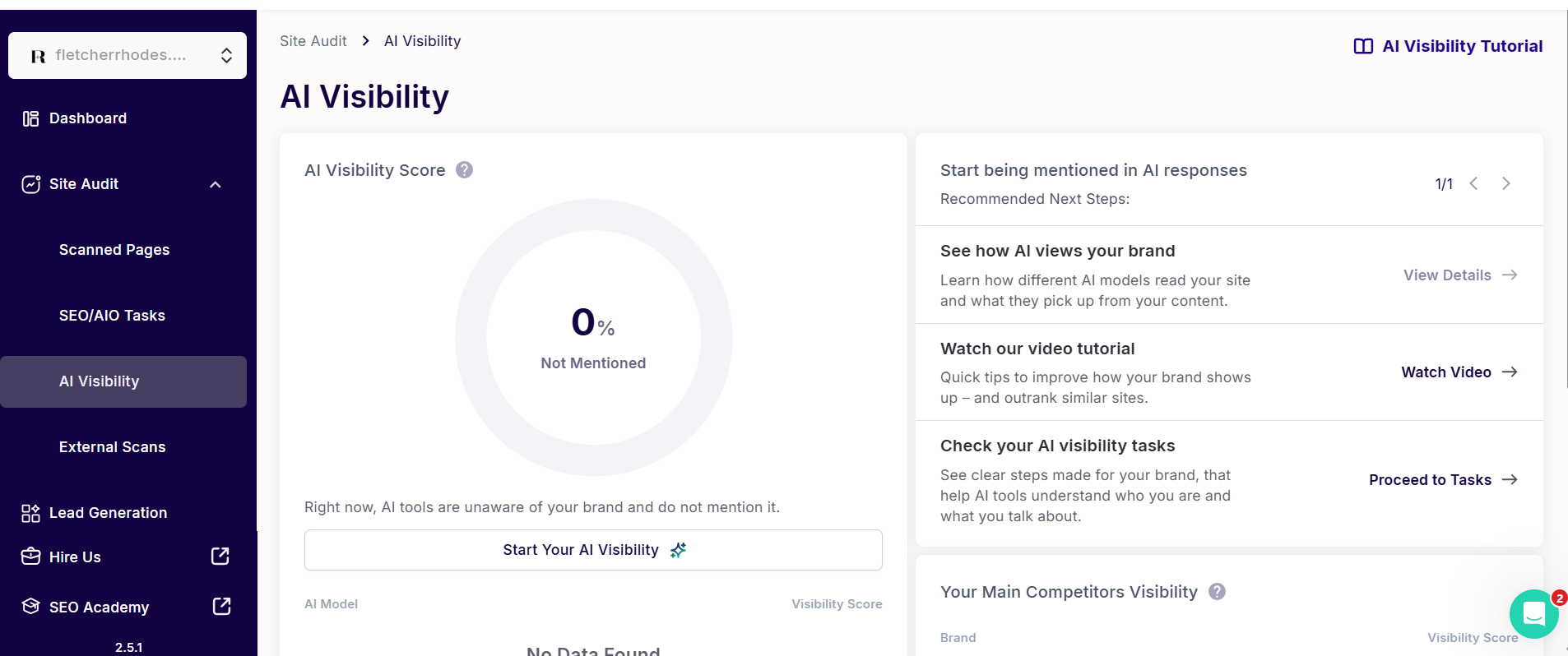
Tracking AI citations requires new analytical approaches. Traditional keyword tracking tools are absolutely still useful, but they do not tell the complete story anymore. You need to meticulously monitor referral traffic coming directly from generative chat platforms and track unlinked brand mentions across the web.
Regularly auditing your content helps maintain your AI citations over time. As algorithms routinely update their core parameters, you must ensure your pages remain factually accurate and technically sound. If you are managing multiple client sites, finding robust solutions for agencies can dramatically streamline this complex reporting process. Reading through related SEO blogs is another phenomenal way to stay updated on the latest tracking methodologies and algorithm shifts.
Investing in Foundational SEO Skills
If you want to master AI citations, you must focus on deep, comprehensive content rather than superficial keyword stuffing. Consider enrolling in a dedicated Squarespace SEO course to refine your fundamental technical skills and ensure your foundation is rock solid.
Conclusion
Ultimately, AI citations represent a digital endorsement of your brand's expertise. By actively publishing original research, structuring your site data clearly, and answering user questions directly, you can successfully transform your website into a highly trusted digital source. If you are ready to take full control of your search performance, we highly recommend utilizing specialized optimization tools.
You can sign up for a free account with SEOSpace to begin seamlessly optimizing your site today. Need hands-on professional help? Our dedicated Squarespace SEO agency is perfectly designed to elevate your brand to the next level.
To see exactly where your website stands right now, calculate your Squarespace SEO audit score and start making data-driven improvements today!
Frequently Asked Questions
-
It is a direct reference or clickable link provided by an artificial intelligence chatbot when it uses your website's published content to answer a user's prompt. It acts as a digital footnote validating your information as accurate and helpful.
-
Yes, traditional practices are still heavily utilized by language models. Cutting-edge algorithms detailed by OpenAI search algorithms and others still rely on classic metrics like inbound backlinks, mobile responsiveness, and overall site speed to determine domain trust.
-
Building deep algorithmic trust takes time and patience. Consistent publishing, acquiring high-quality backlinks, and earning mentions from reputable publications like Search Engine Land reports can expedite the process, but expect it to take several months of dedicated, ongoing effort.
-
Absolutely. According to recent Ahrefs domain rating studies, sites with significantly higher domain authority are crawled more frequently and trusted more deeply by search algorithms, leading to a higher likelihood of being referenced in chatbot answers.
-
Dedicated platforms like SEOSpace offer comprehensive plugin suites specifically designed to identify technical errors, improve your overall content structure, and make your entire site far more attractive to modern search algorithms.