How AI Search (SGE, ChatGPT, Perplexity) Is Changing Keyword Research Forever
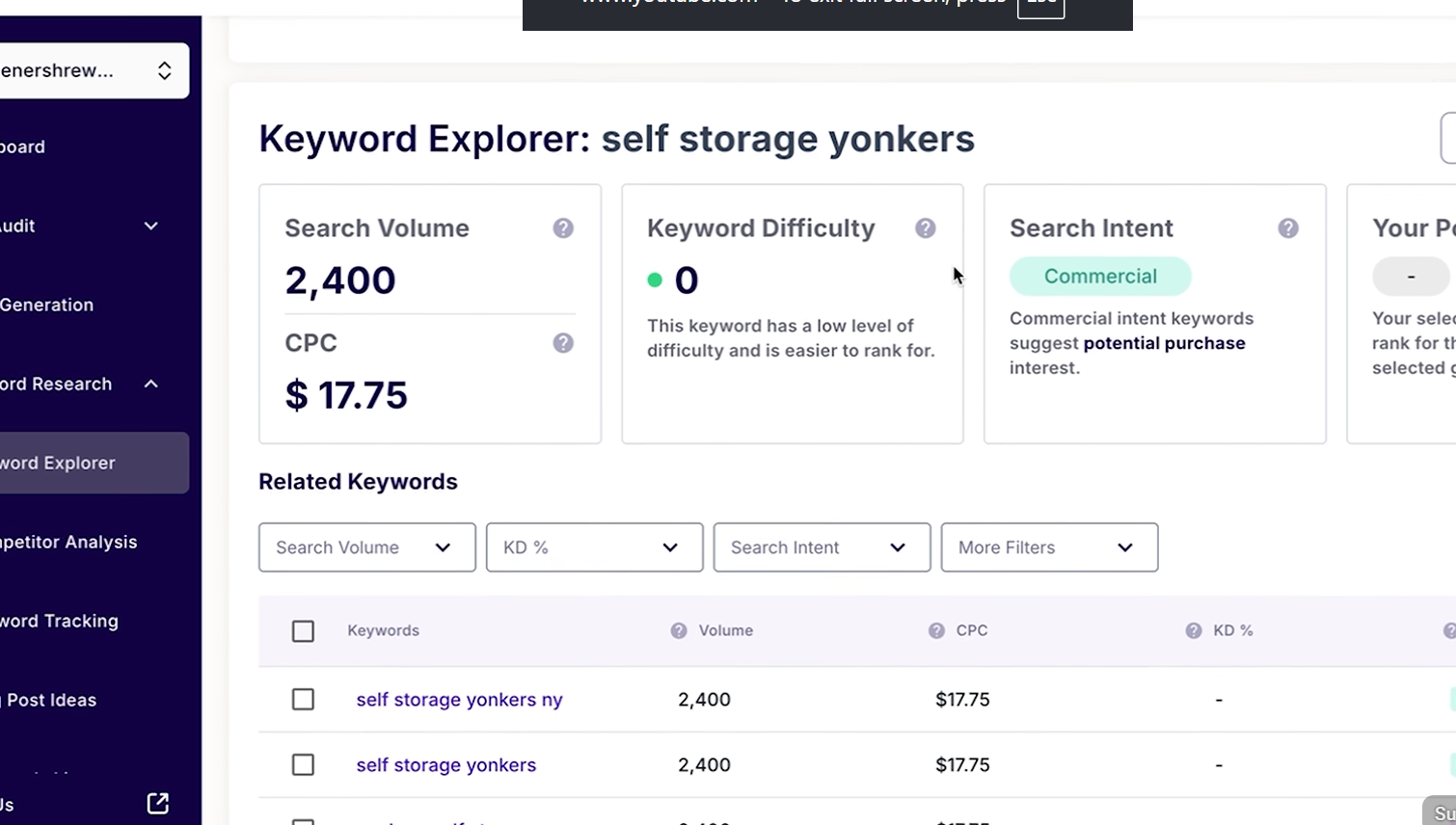
The era of typing fragments into a search bar and getting ten blue links is rapidly ending. With the arrival of Google's Search Generative Experience (SGE), ChatGPT, and Perplexity, user behavior is shifting toward conversational queries and expecting instant, synthesized answers.
This seismic shift means traditional SEO tactics are evolving. If you are still relying solely on search volume data from 2023, you are already behind. To survive and thrive in this new landscape, you must understand how keyword research with AI is fundamentally changing the game.
It is no longer about finding the right words; it is about understanding the intent behind the questions and providing the best possible answer that AI models want to cite.
Key Takeaways
The Shift to Intent: Move beyond search volume numbers and focus on the "why" behind conversational, long-tail queries.
GEO over SEO: Generative Engine Optimization requires optimizing for answer-based engines, emphasizing entities and direct answers over simple keywords.
AI as a Research Assistant: Utilize tools like ChatGPT and Perplexity to uncover questions your audience is actually asking, rather than just relying on traditional tools.
Technical Foundations Matter: AI bots need to easily crawl and understand your site structure to include you in their synthesized answers.
Information Gain: To be cited by AI, your content must offer unique value, data, or perspectives not found elsewhere.
Table of Contents
The Death of "Keywords" and the Rise of "Entities"
For roughly two decades, keyword research meant finding a string of text with high search volume and finding low competition keywords, then sprinkling it throughout your H1s and paragraphs. Traditional tools excelled at telling us what people typed, but they often struggled to tell us why.
AI search engines operate differently. They don't just match strings of letters. They understand "entities." An entity is a distinct, independent concept, like a person, place, thing, or idea.
When someone asks ChatGPT, "What is the best camera for a beginner landscape photographer?", the AI understands the entities: "camera," "beginner," and "landscape photography," and the relationship between them.
Therefore, effective keyword research with AI requires shifting your focus from individual words to topics and concepts. You need to cover an entire topic cluster comprehensively so the AI recognizes your site as an authority on that specific entity.
If you only have one thin blog post about a topic, AI models are less likely to view you as a trusted source to summarize.
Understanding GEO: Optimizing for the Answer Engine
This new approach is often called Generative Engine Optimization, or GEO. The goal of GEO is not just to rank #1 in AI search in a list but to be the primary source used by the AI to generate its answer paragraph.
AI tools like Perplexity and SGE are essentially "answer engines." They want to provide the user with the bottom line up front (BLUF).
To align your content with this, your keyword research needs to identify the specific questions users are asking and then answer them directly and concisely in your content.
Instead of targeting a broad keyword like "Squarespace SEO," a GEO approach targets the conversational query, such as "How do I improve my Squarespace SEO without hiring an expert?"
Your content should then immediately provide a clear, actionable answer in the first few paragraphs, making it easy for the AI to extract that snippet.
How to Perform Keyword Research with AI Tools
Ironically, the best way to adapt to AI search is to start doing your keyword research with AI tools themselves. Traditional tools like Ahrefs or Semrush are still valuable for data, but they can't simulate the conversational nature of modern search behavior.
Here is how you can use tools like ChatGPT or Claude to enhance your research:
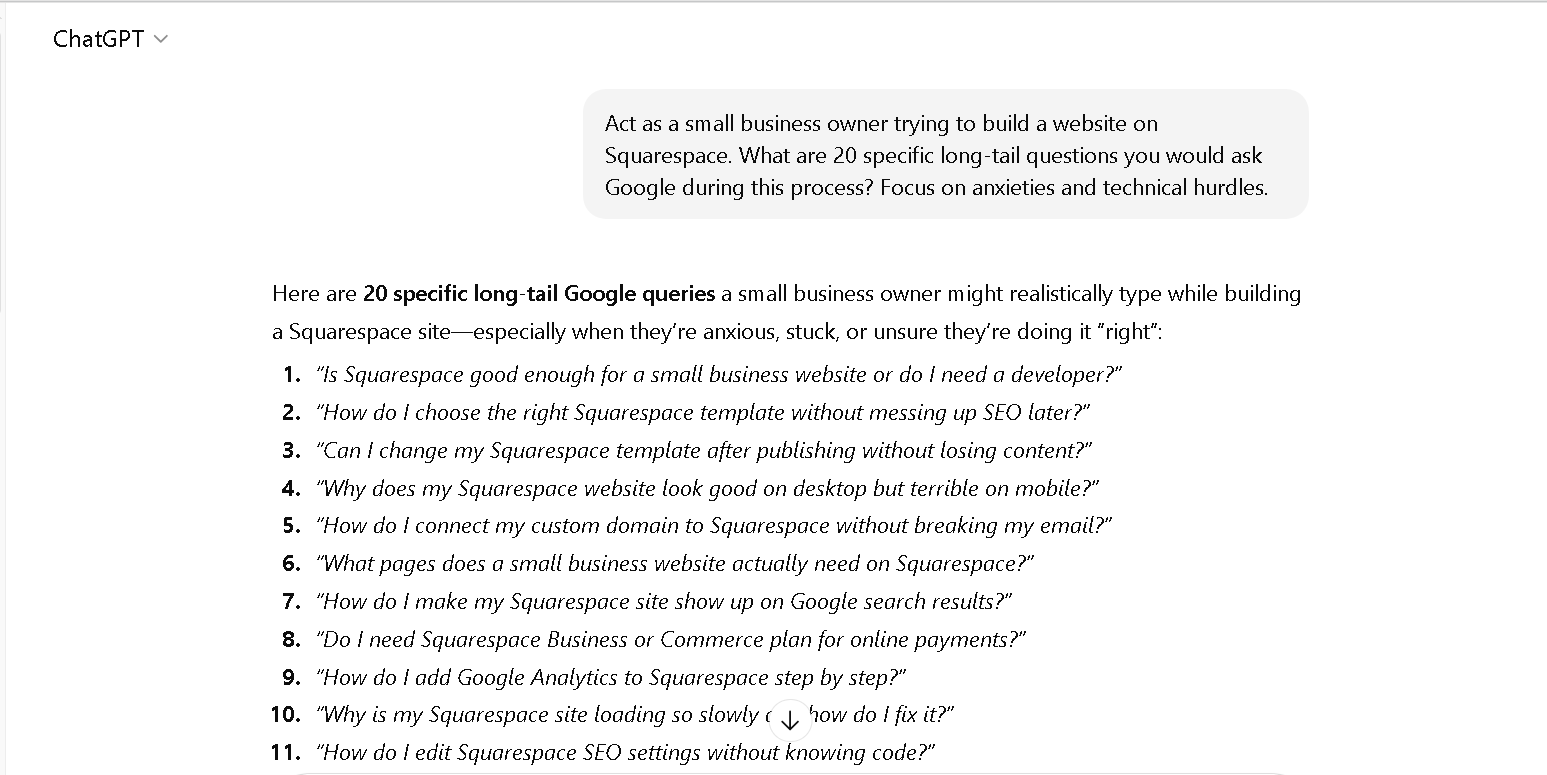
1. Identify Audience Questions: Ask the AI to roleplay. "Act as a small business owner trying to build their first website on Squarespace. What are 20 specific, long-tail questions you would ask Google during this process? Focus on anxieties and technical hurdles."
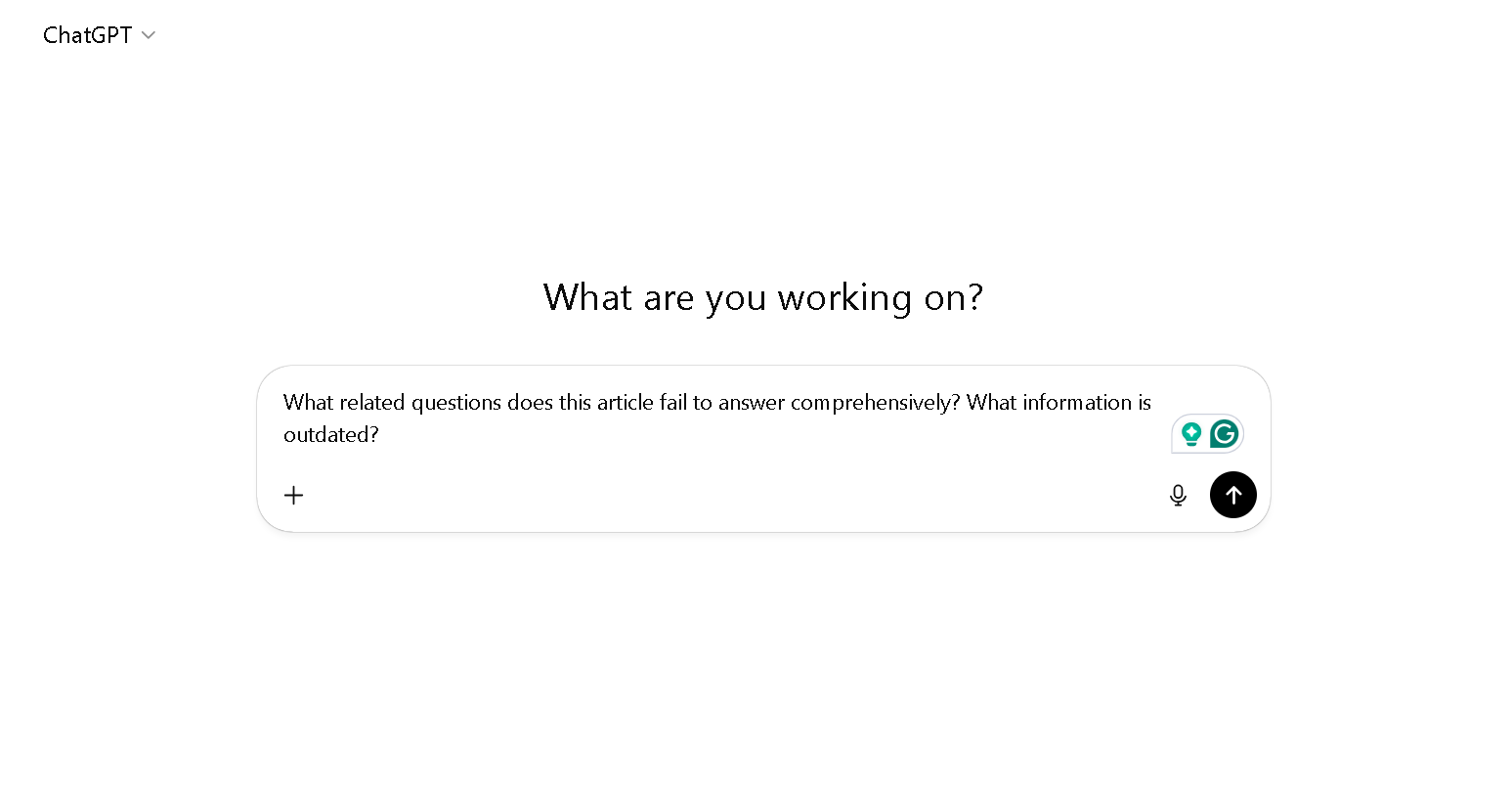
2. Analyze Competitors' Weaknesses: Feed a competitor's blog post into ChatGPT and ask, "What related questions does this article fail to answer comprehensively? What information is outdated?" These gaps are your new keyword opportunities.
3. Find Related Entities: Ask the AI, "What are the most important semantically related topics and concepts associated with [Your Main Topic] that I must cover to be considered an authority?"
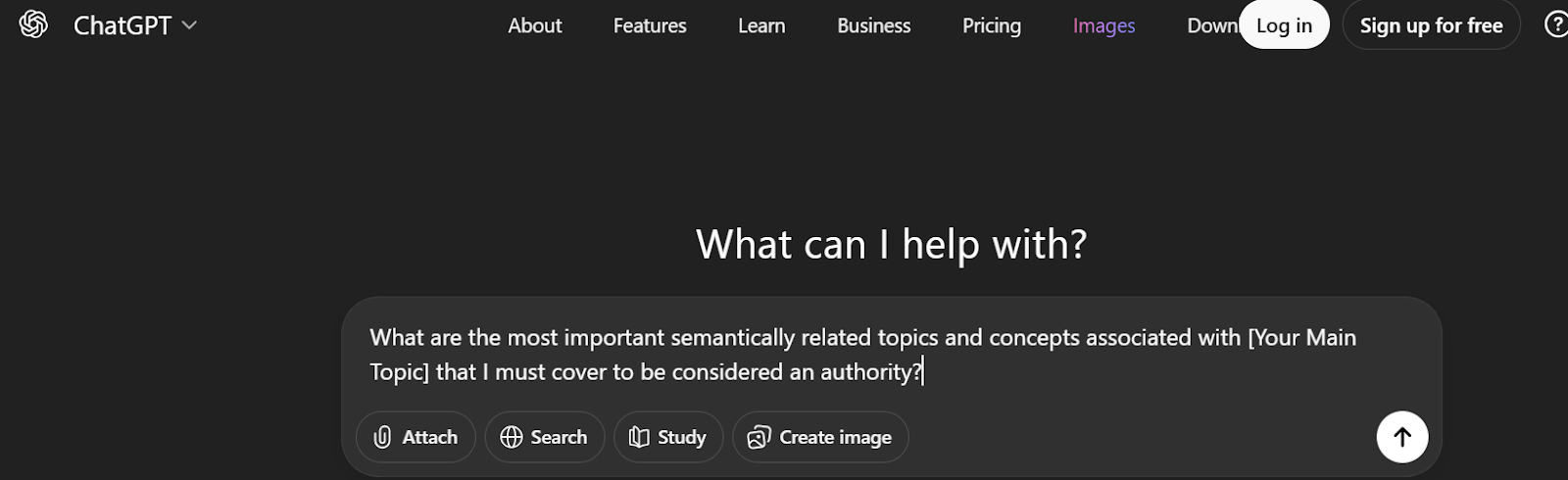
By using Squarespace keyword research strategy, prompts, you are performing keyword research with AI to uncover the exact type of conversational queries that are becoming dominant in search.
The Importance of "Information Gain"
In a world where AI can generate a decent 500-word article in seconds, average content is now worthless. AI models are trained on existing content on the web.
If your article just repeats what the top 10 results already say, the AI has no reason to cite you. It already knows that information.
To succeed in keyword research with AI, you must look for "Information Gain." This means providing something new that the AI hasn't seen before. This could be:
Original data or research studies you conducted.
Unique expert perspectives or contrarian opinions backed by experience.
Personal anecdotes and case studies that AI cannot hallucinate.
When you do your research, don't just look for keywords to target; look for topics where you can add unique value.
The Technical Reality: AI Needs Structure
While we focus heavily on content and intent, the technical foundation of your website is more critical than ever. AI bots, just like traditional Googlebots, need to be able to crawl and parse your website efficiently.
If your site structure is messy, your sitemaps are broken, or your content is hidden behind complex scripts, the AI won't be able to digest your information to use in its answers.
Structured data (Schema markup) is particularly important for AI search. It's code that explicitly tells the search engine, "This text is a question, and this text is the answer." This makes it incredibly easy for AI models to pull your content directly into their results.
A Tool to Ensure Your Foundation is AI-Ready
If you are using Squarespace, ensuring your technical setup is perfect can be tricky without the right tools. This is where SEOSpace comes in.
It’s an SEO plugin designed specifically for Squarespace that audits your site for the exact technical issues that can block AI crawlers. It checks your headings, meta data, and structural elements to ensure your site is understandable by both humans and robots.
Start your journey to AI visibility today. Download the free SEOSpace plugin and run an audit to see exactly where your Squarespace site stands.
Conclusion
The introduction of AI into search isn't the death of SEO, but it is the death of lazy SEO. Performing keyword research with AI is no longer an optional tactic; it's the required standard.
By shifting your focus from search volume to user intent, optimizing for entities, providing unique information gain, and ensuring your technical foundation is solid with tools like SEOSpace, you can future-proof your strategy.
The goal is to become the trusted expert source that the AI relies on to answer its users' questions.
Get your FREE SEO Site Audit and start your SEO Journey the right way!
FAQs
-
No, traditional tools are not obsolete. They are still highly useful for understanding historical data, gauging general topic interest, and tracking rankings. However, relying only on them is insufficient. You must supplement their data with qualitative keyword research with AI tools to understand conversational intent.
-
Standard Google search provides a list of links pointing to other websites. SGE (Search Generative Experience) uses AI to read those websites and synthesize a direct answer to the user's query right at the top of the results page, often pushing traditional organic links further down.
-
It is highly likely that "zero-click" searches will increase, meaning users get their answer without clicking a link. However, the traffic that does click through will likely have much higher intent and be closer to making a purchase decision. The goal is to be the cited source for that answer. Check out these 3 keyword hacks to increase traffic.
-
You can use it for drafting and outlining, but you shouldn't rely on it entirely. AI content based only on existing data offers zero "Information Gain." To rank well, you need to inject human expertise, unique data, and a distinct brand voice that AI cannot replicate on its own.
-
Focus on clear heading structures (H2s, H3s), use bullet points for easy reading, answer questions directly in the first sentence of a paragraph, and use a tool like SEOSpace to ensure your technical SEO and structured data are set up correctly for crawlers.