25 Lessons Learned from AI and SEO in 2025
If 2024 was the year of panic, 2025 was the year of clarity. We have spent the last twelve months watching Generative Engine Optimization (GEO) reshape the internet. The days of simply guessing keywords are over.
We have seen massive shifts in how platforms like ChatGPT, Gemini, and Google’s AI Overviews consume and display content.
For Squarespace users and digital marketers alike, this year proved that AI SEO is not a buzzword but a survival skill. We learned that while the algorithms have changed, the need for genuine value has only grown stronger. Here is everything we learned.
Key Takeaways
Intent Over Keywords: Exact match keywords matter less than answering the specific intent behind a user's question.
Technical Health is Vital: AI crawlers ignore broken, slow, or poorly structured websites.
Brand is the New Backlink: Being a recognized entity is more important than just having links.
Tools Are Essential: Manual audits are no longer sufficient to keep up with the speed of AI changes.
Table of Contents
The Content Revolution
1. The "Intro" is Dead We learned that users and AI bots hate fluff. If you spend 300 words "setting the scene" before answering the question, you lose. The "Bottom Line Up Front" (BLUF) method is now the standard for effective AI SEO writing.
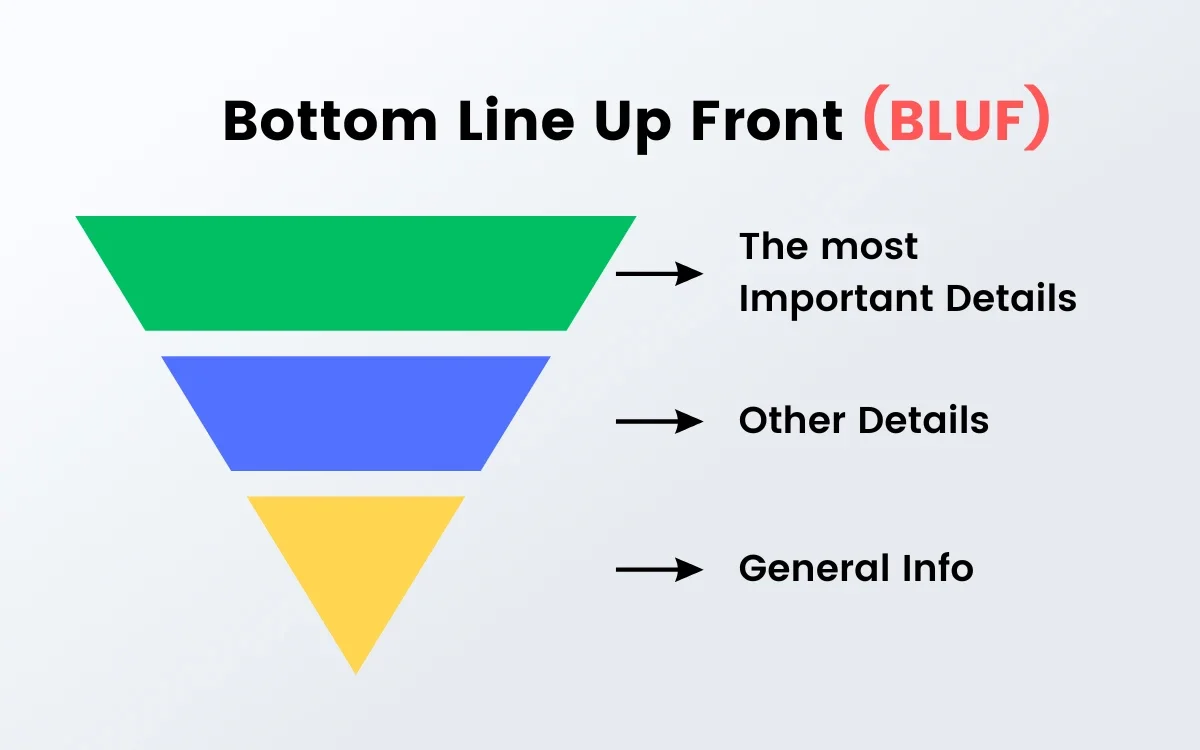
2. Answers Must Be Direct AI models look for concise answers to pull into their summaries. We learned to write direct, factual sentences immediately after a heading. This makes it easier for the bot to say, "According to [Your Brand], X is Y."
3. Personality Cannot Be Faked AI can write generic content faster than you. We learned that the only way to stand out is by injecting personal anecdotes, strong opinions, and "I" statements. The human element is the only thing AI cannot hallucinate.
4. Content Depth beats Frequency Churning out five mediocre posts a week stopped working. One comprehensive, deep-dive article that covers an entire topic cluster performs significantly better in AI SEO rankings than ten shallow posts.
5. Updates Matter More Than New Posts We discovered that refreshing old content with new data and current year references is the highest ROI activity you can do. AI prioritizes freshness.
6. Structure is for Robots We learned that visual formatting isn't just for aesthetics. Bullet points, numbered lists, and bold text help AI crawlers parse information quickly. A wall of text is invisible to an answer engine.
7. "People Also Ask" is the Roadmap The questions in Google's "People Also Ask" boxes and the suggested queries in ChatGPT are the best content briefs available. Answering these specific questions is the core of modern optimization.
Technical Reality Checks
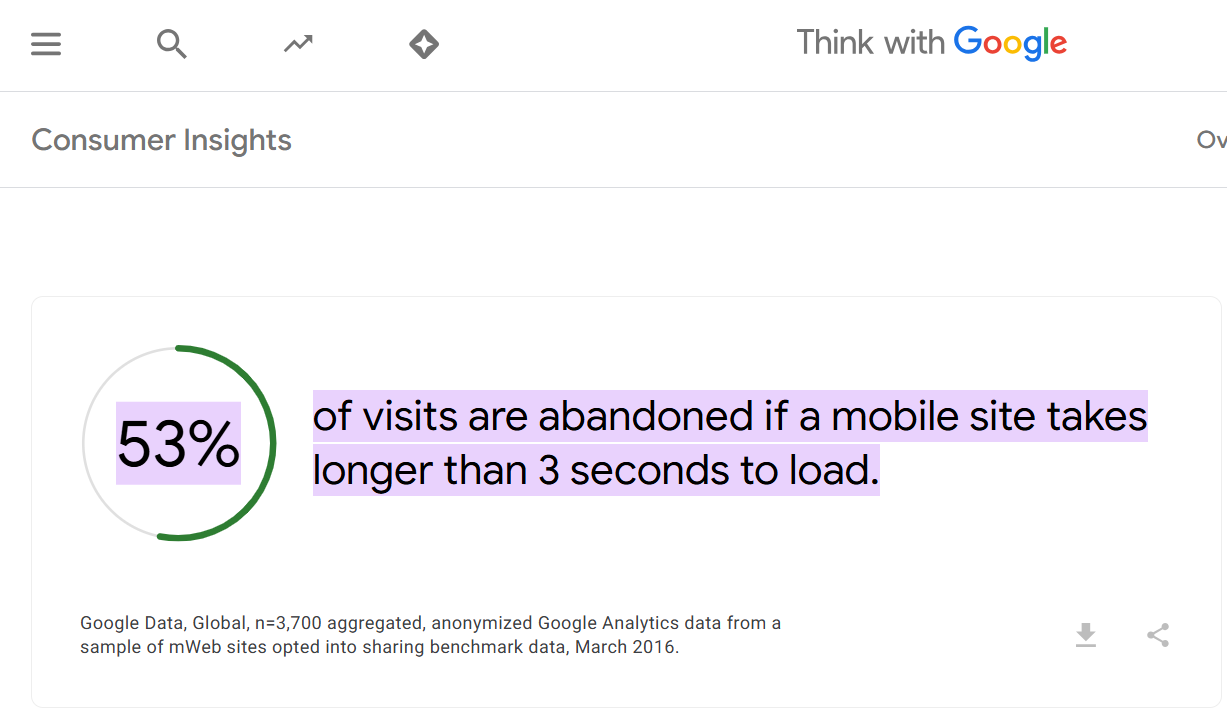
8. Speed is Non-Negotiable AI agents are impatient. We learned that if your Squarespace site takes three seconds to load, the crawler might time out or deprioritize you. Compressing images and reducing code bloat became critical.
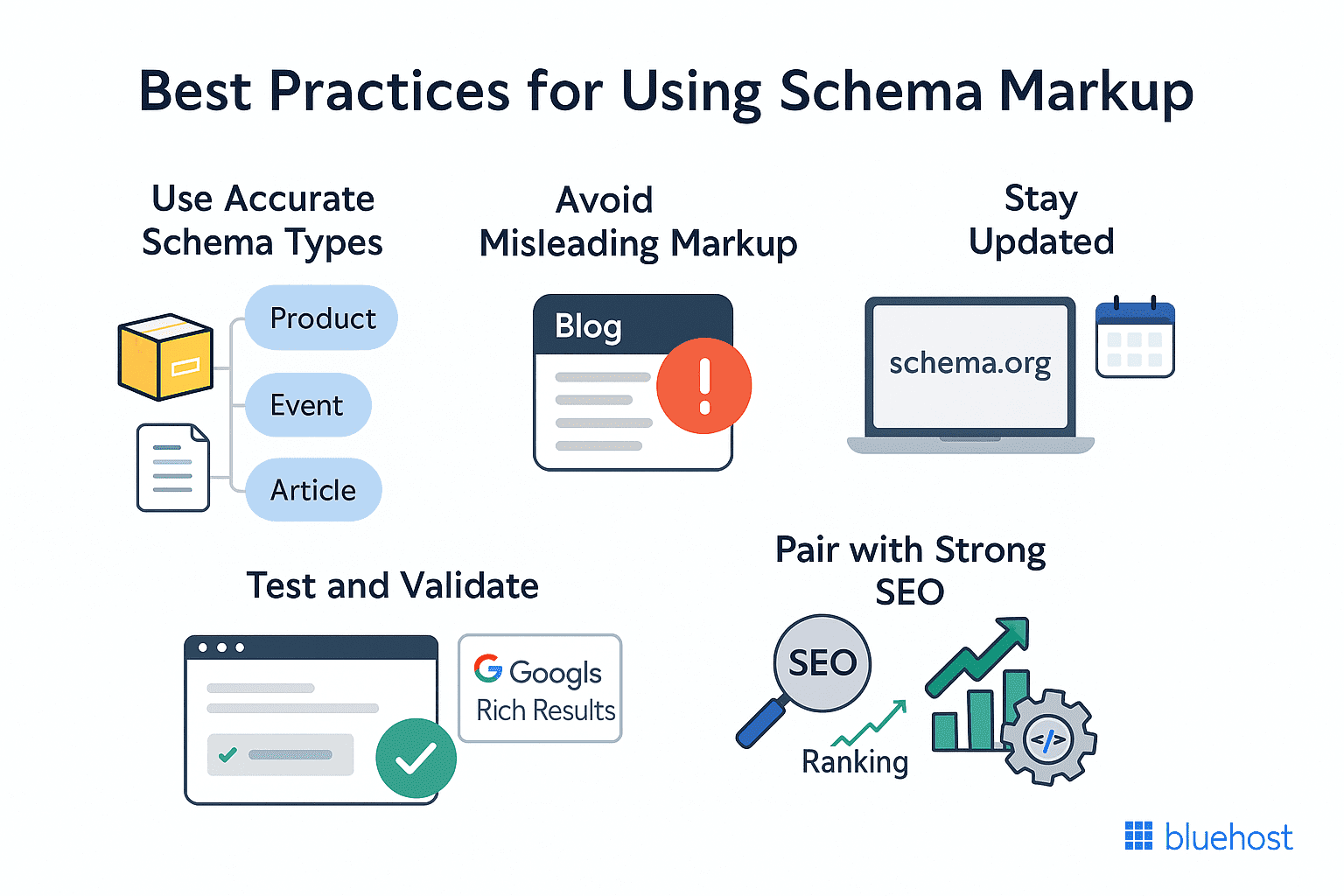
9. Structured Data (Schema) is the Language of AI This was the year Schema went mainstream. We learned that without JSON-LD code telling the bot "This is a product" or "This is a review," the AI is just guessing. Explicitly labeling your data is a requirement for AI SEO success.
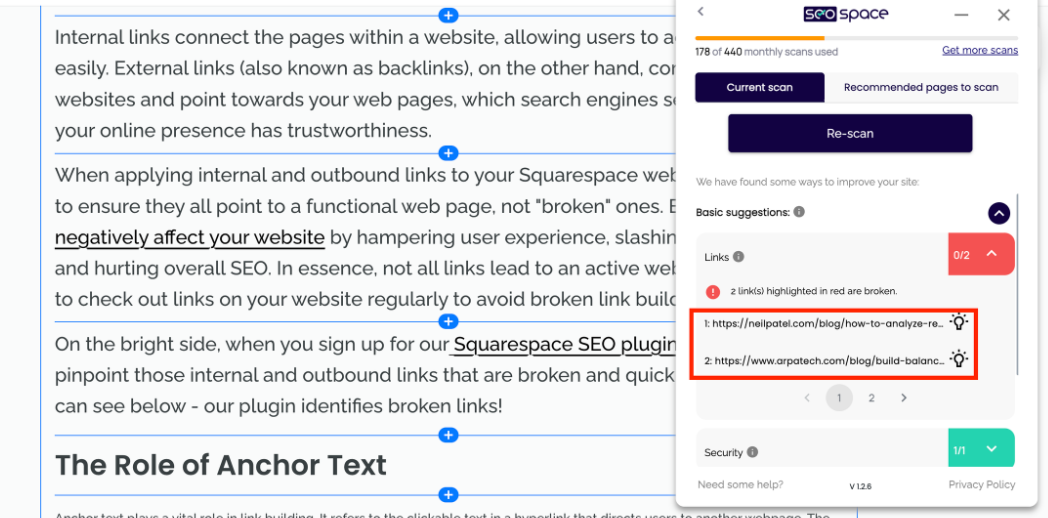
10. Broken Links Break Trust In the eyes of an AI, a broken link suggests a neglected resource. Regular audits to fix 404 errors became a weekly necessity rather than a monthly chore.
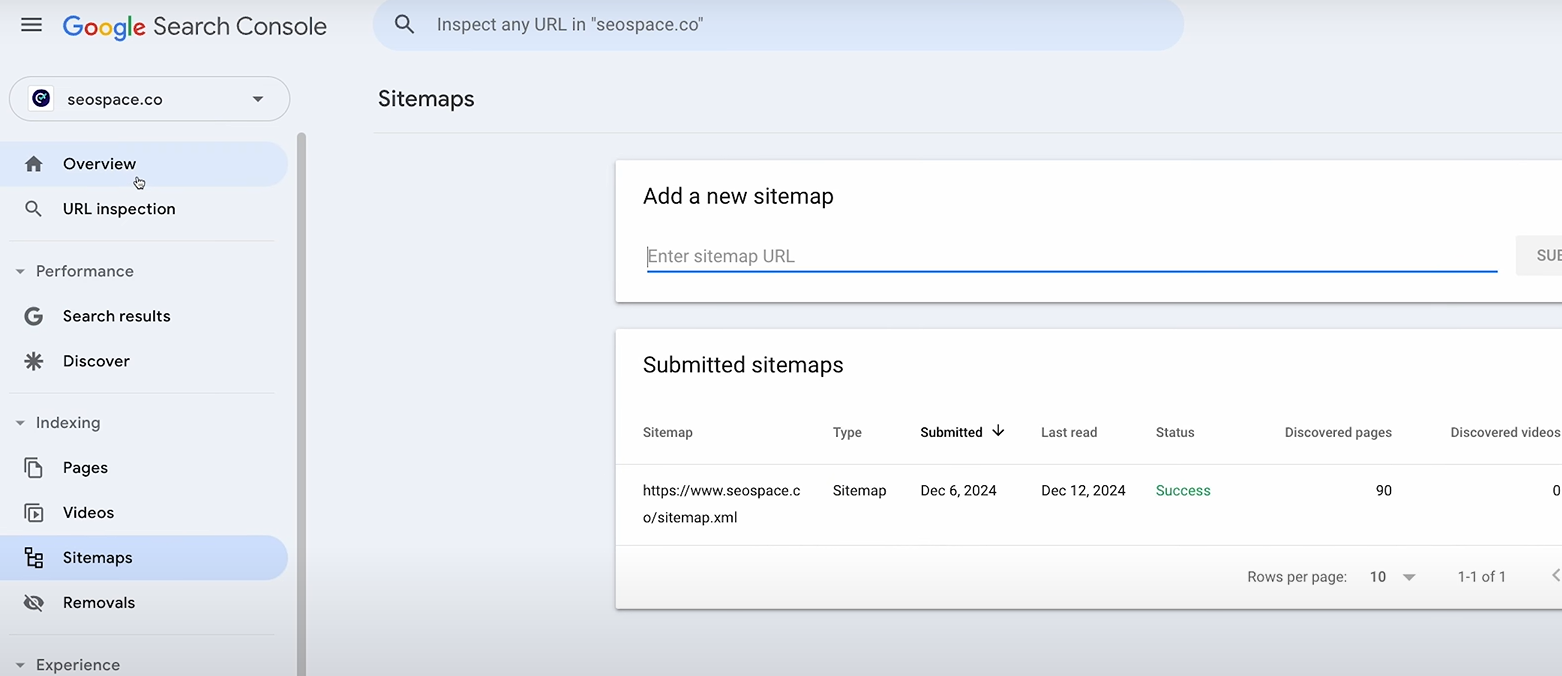
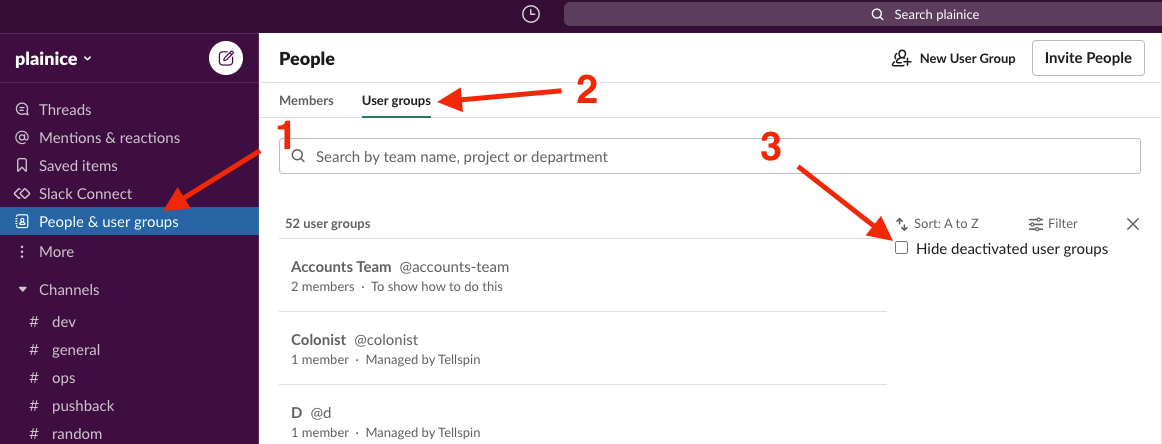
11. Sitemaps Need Submission We learned that waiting for Google to find you is a mistake. Manually submitting sitemaps to Google Search Console and Bing Webmaster Tools is the only way to ensure rapid indexing of new content.
12. Mobile is Still First Despite desktop AI usage, the mobile experience dictates your indexing. If your pop-ups block the content on a phone screen, the AI views the page as inaccessible.
13. Audit Tools are Mandatory We learned that you cannot spot every technical error with the naked eye. This is why we rely on specialized tools.
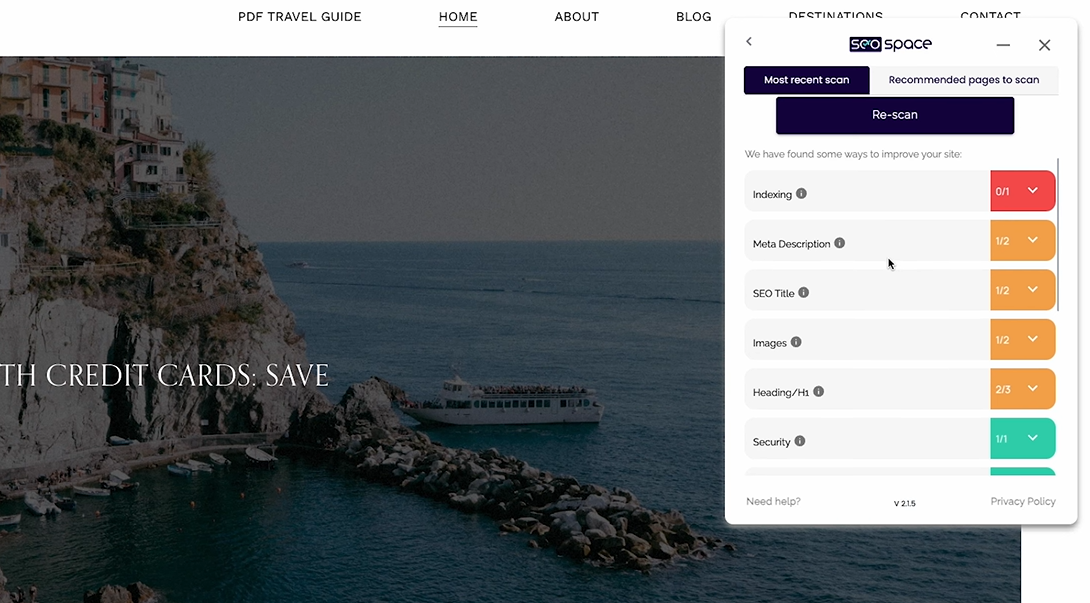
Use SEOSpace One of the biggest lessons of 2025 is that you need a tool built for your platform. SEOSpace is the plugin that saved us countless hours.
It scans your Squarespace site specifically for the technical issues that hurt AI SEO, from broken links to missing headings. Stop guessing. Scan your site for free with SEOSpace today and see exactly what the AI sees.
Strategy and Mindset Shifts
14. Zero-Click is the Norm We accepted that users might not click our link. They might just read the AI summary. We learned to optimize for "Brand Impressions" in that summary so that even if they don't click, they remember our name.
15. Brand Authority > Keywords AI cites sources it trusts. We learned that building a brand "Entity" through PR, social consistency, and expert authorship is more valuable for AI SEO than stuffing a keyword into a footer.
16. Reviews Are Ranking Factors Since AI has no physical body to test products, it relies entirely on third-party reviews. We learned that gathering reviews on Google and Trustpilot directly influences how AI recommends your services.
17. "Co-Citation" is the New Backlink You don't just need a link; you need to be mentioned in the same sentence as your competitors and industry leaders. We learned that being part of the conversation is what trains the AI to associate you with your niche.
18. Video Feeds the Model We saw that YouTube videos are now being indexed and transcribed by AI search engines to answer queries. Embedding video content is a powerful way to double your chances of appearing in results.
To see how we applied these strategic shifts in real-time, watch our video on Squarespace SEO Tips for 2025. It covers the mindset you need to adopt to win this year.
19. User Experience (UX) is SEO If users bounce immediately, AI learns your answer was bad. We learned that readable fonts, clear navigation, and lack of intrusive ads are direct ranking signals.
20. Niche Down to Win Generalist sites got crushed in 2025. We learned that AI prefers deep expertise. Being "The SEO Expert for Squarespace" is far better than being "A Digital Marketer."
The Future of Search
21. Voice Search Returned With the integration of ChatGPT into phones and cars, conversational voice queries skyrocketed. We learned to optimize for natural language phrases like "What is the best way to..." rather than robot-speak keywords.
22. Bing is Relevant Again Because Bing powers ChatGPT's web browsing and Microsoft Copilot, we learned that ignoring Bing Webmaster Tools is leaving money on the table.
23. Data Privacy Changed Analytics With cookies disappearing, we learned to rely less on granular tracking and more on "first-party data" like newsletter signups and direct community engagement.
24. Community Drives Traffic We learned that building a community (like a Circle or Slack group) creates a traffic source that no algorithm update can take away.
25. Adaptation is the Only Strategy The final and most important lesson is that AI SEO is never "done." The algorithms change weekly. We learned that the most successful marketers are the ones who stay curious, test constantly, and refuse to get comfortable.
For a visual guide on the specific steps to ranking in these new engines, check out our tutorial on How to Rank #1 in AI Search. It is the perfect companion to this list of lessons.
Conclusion
2025 has been a masterclass in adaptation. The transition to AI SEO has forced us all to be better marketers, better writers, and better technical architects.
We have moved away from tricking algorithms and toward serving humans with such precision that the algorithms have no choice but to rank us. If you take one thing from these 25 lessons, let it be this: build a website that creates genuine value, and the AI will follow.
Looking to revamp your website for 2026? Get a FREE SEO Site Audit today!
Frequently Asked Questions
-
No, SEO is not dead, but "classic" SEO is evolving. It has transformed into AI SEO, where the focus is on optimizing for generative engines and answer summaries rather than just ten blue links.
-
You optimize for ChatGPT by ensuring your brand has a strong digital footprint (reviews, mentions) and by writing content that directly answers questions in a clear, factual format that the AI can easily reference.
-
It could be a technical issue blocking crawlers, or a lack of "authority." Use a tool like SEOSpace to audit your technical settings and ensure your sitemap is submitted to both Google and Bing.
-
Yes. While Squarespace does some of this automatically, adding custom Schema for FAQs, Articles, and Local Business data is a huge advantage for AI SEO as it helps the bot understand your content's context.
-
In the age of AI, freshness is critical. We recommend auditing your top-performing posts at least once a quarter to update statistics, dates, and references to keep them relevant for the current year.